trigrams
of the Yijing
8
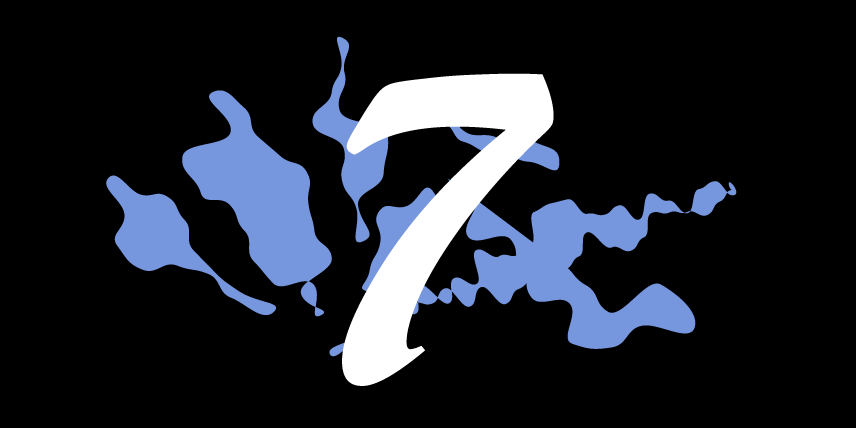
A divination tool originally developed from casting yarrow stems, the eight trigrams (八卦) represent every configuration possible from combining two types of line – broken and unbroken – in sets of three. In the cosmological terms of the Yi Jing, a unity (太極) engenders two opposing poles (兩億) [A/B], which in turn engenders four types (四象) [AA/AB/BA/BB]. This in turn engenders the eight trigrams (八卦). By combining two trigrams together, you have 64 hexagrams , each with meanings attached to aid with decision making.
8
trigrams
of the Yijing
A divination tool originally developed from casting yarrow stems, the eight trigrams (八卦) represent every configuration possible from combining two types of line – broken and unbroken – in sets of three. In the cosmological terms of the Yi Jing, a unity (太極) engenders two opposing poles (兩億) [A/B], which in turn engenders four types (四象) [AA/AB/BA/BB]. This in turn engenders the eight trigrams (八卦). By combining two trigrams together, you have 64 hexagrams , each with meanings attached to aid with decision making.
震
zhèn
Thunder
The first of the 8 trigrams is represented by the character 震 zhèn, meaning ‘to shake’, but here representing thunder. It is associated with the Eastern point of the compass. In family terms, this trigram is associated with the eldest son.
巽
xùn
Wind / Wood
The second trigram, 巽 (xun), represents “wind” or “wood”, and Southeast on the compass. In the family, this trigram represents the eldest daughter.
離
lí
Fire
The third trigram, represented by 離 (li), symbolises fire. This trigram correlates with the southern point of the compass and, in family terms, the middle daughter.
坤
kūn
Earth
Three broken lines form the “Earth” trigram, represented by the character 坤 (kūn). Corresponding to the southwesterly point of the compass, the trigram is associated with the mother of a family.
兑
duì
Marsh
Represented by the character 兑 (duì), this trigram symbolises “marshes” and correlates with the western point of the compass. In the family, the 兑 trigram represents the youngest daughter.
乾
qián
Heaven
This trigram consists of three unbroken lines and represents Heaven; a perfect counterpoint to the three broken lines of Earth. It is represented by the character 乾 (qián). On the compass, the trigram points to Northwest and, in family terms, it represents the father.
坎
kǎn
Water
This trigram, represented by the character 坎 (kǎn) means “water”. It correlates with the north point of the compass and in the family represents the middle son.
艮
gèn
Mountains
The final trigram is represented by the character 艮 (gèn) and symbolises “mountains”. This trigram correlates with the Northeastern point of the compass, and the youngest son in the family.
Sources and Further Reading
